- Home
- About
-
Bins
Wheelie binsPedal & flip-top
- Components
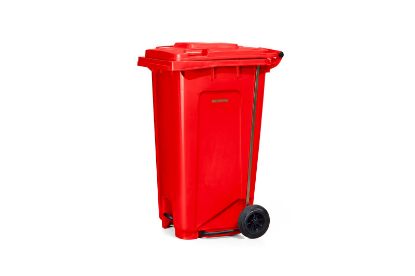
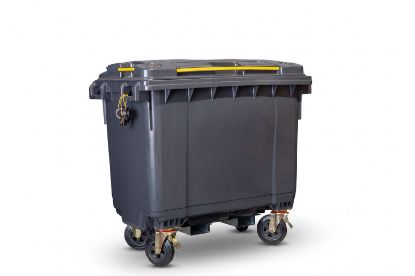
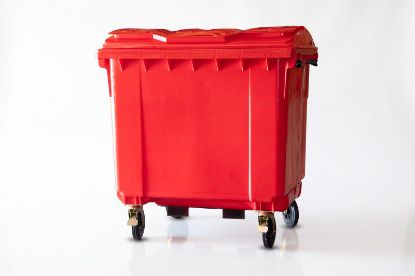
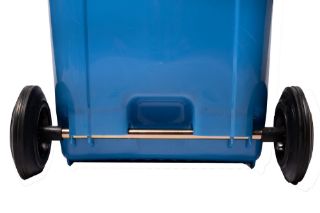

The Best Wheelie Bins For Your Industry in Australia
The Best Wheelie Bins For Your Industry in Australia
Different industries use wheelie bins in very different ways. A school might need bins that handle lunch waste and packaging without turning into a smelly mess, and larger bins to consolidate the waste. A café needs something that can cope with food waste and frequent overflow. A construction site needs bins that can take higher volume and heavier use without falling apart.
This guide breaks down what works in real-world Australian settings, with practical bin size suggestions and a few simple setup tips that make waste areas easier to manage.
Quick guide: industry to bin size
If you just want a fast starting point:
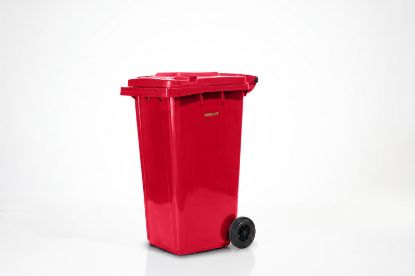
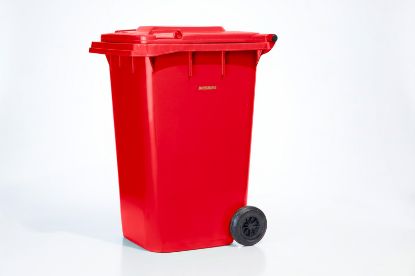
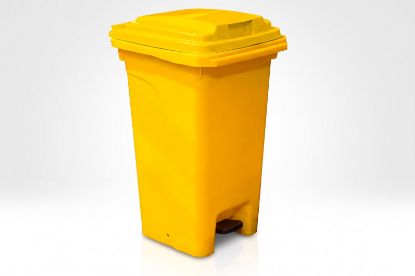
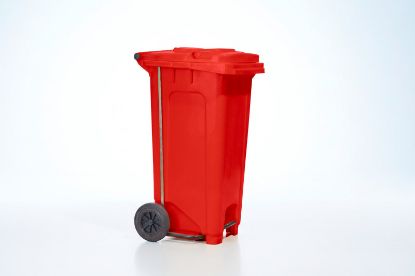
- Schools and childcare: 100L, 240L, 360L, and sometimes 660L for shared areas
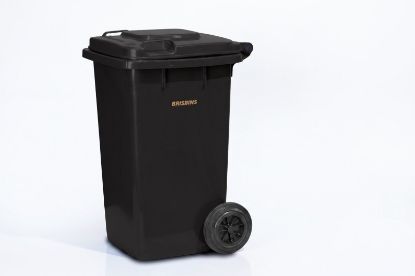
- Cafes and restaurants: 100L, 240L and 360L for day-to-day, 660L for higher volume
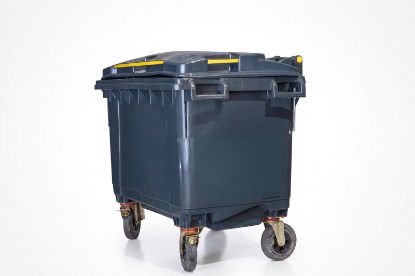
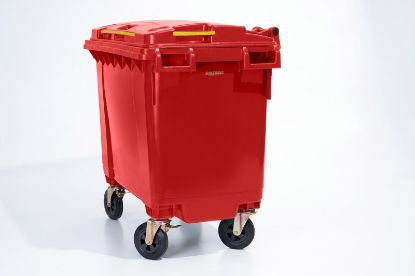
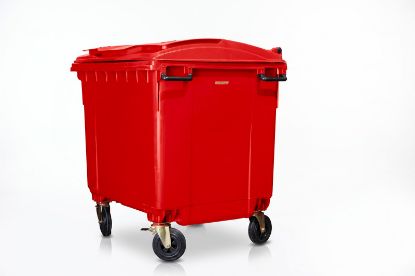
- Construction sites: 660L and 1100L for bulky, high-volume waste
- Warehouses and industrial: 660L and 1100L, often multiple bins by stream
- Retail and shopping centres: 100L, 660L and 1100L in shared back-of-house areas
- Apartments and strata: 660L and 1100L for bin rooms and shared use
- Offices: 60L or 100L internally, then larger bins for central collection
Your collection setup matters too. If you’re on council collection, you’re usually working within household-sized bins. If you’re using private collection or managing a site waste area, you’ve got more flexibility to scale up.
Schools and childcare centres
Schools are busy and predictable in one way: lunchtime creates a spike. There’s usually a mix of food scraps, packaging, paper, and general waste, and if bins aren’t easy to use correctly, contamination becomes a problem fast.
Common waste streams
- general waste from lunch
- recycling from packaging
- food waste in some setups
Bin sizes that suit schools
Practical setup tips
- keep bins clearly labelled and colour-coded
- place bins where students actually walk, not where it’s convenient for staff
- consider separate bins for recycling and general waste to reduce contamination
- plan for term-time volume, not holiday weeks
Cafes and restaurants
Hospitality bins get messy fast. Food waste and packaging in heat is a recipe for smells, flies, and ongoing clean-up.
Common waste streams
- food waste
- packaging and cardboard
- general waste
Bin sizes that suit hospitality
- 100L Bins are perfect for general rubbish in the main dining area or behind the kitchen
- 240L bins can work for small cafes with frequent collection
- 360L bins is often a better choice if overflow is happening
- 660L is common for busy venues, especially where there’s a lot of packaging or back-of-house waste
Practical setup tips
- keep food waste wrapped or contained to reduce odour and pests
- rinse spills quickly
- don’t let bins overflow, it creates smells and attracts pests quickly
- if you’re constantly overfilling a smaller bin, moving up a size usually fixes the problem
Construction sites
Construction and demolition waste can be bulky, heavy, and generated quickly. The bin needs to cope with that without becoming unsafe to move or constantly overflowing.
Common waste streams
- mixed site waste
- packaging materials
- offcuts and bulky items
Bin sizes that suit construction
Practical setup tips
- avoid overloading bins with heavy rubble if collection systems aren’t set up for it
- keep bins accessible for pickups
- choose larger capacity when waste volume is high, it reduces loose rubbish around the site
Warehouses and industrial sites
Warehouses often deal with a lot of cardboard, wrap, and general waste from operations. Volume can be steady and higher than many people expect.
Common waste streams
- cardboard and packaging
- mixed general waste
- pallet wrap and plastics
Bin sizes that suit warehouses
Practical setup tips
- separate cardboard from general waste where possible
- consider multiple bins rather than one large bin for everything
- keep bins in a flat, accessible location for safe movement and collection
Apartments, strata and shared bin rooms
Shared bin rooms are all about capacity and consistency. If bins are too small, people leave rubbish outside the bin, and the whole area gets messy quickly.
Common waste streams
- general waste
- recycling
- sometimes organics depending on council or service
Bin sizes that suit strata
Practical setup tips
- ensure there are enough bins for the number of residents
- label bins clearly and keep the system simple
- maintain lids and wheels so bins close properly and move safely
Offices and corporate spaces
Offices often have lighter waste, but they can still create high volume, especially if there’s a lot of packaging, paper, or staff kitchens.
Common waste streams
- paper and cardboard
- kitchen waste
- general waste
Bin sizes that suit offices
- 60L or 100L can work well for internal use
- larger 1100L bins can support centralised collection points depending on volume
Practical setup tips
- smaller bins across the office, larger bins in central waste areas
- encourage recycling and keep streams clear to reduce contamination
Choosing bins for your industry without guessing
If you’re deciding what suits your site, focus on:
- your waste volume between collections
- whether bins are shared
- whether food waste is involved
- how much space you have to store and move bins safely
If you’re regularly seeing overflow, it’s usually a sign you need a larger bin, another bin, or a clearer setup with separate waste streams.
Need help choosing the right bin for your site?
If you’re not sure which wheelie bin size or setup will work best for your industry, Brisbins can help you sort it out before you order. Whether you’re replacing an old bin, adding extra capacity, or setting up a new waste area, choosing the right bin upfront saves a lot of hassle later.
You can browse the full Brisbins wheelie bin range to compare sizes, colours, and options, or get in touch if you’d rather talk through what will work best for your space and waste volume.
A quick conversation now can stop ongoing issues like overflow, smells, and bins that don’t suit how your site actually operates.