Wheelie Bin Sizes Explained (60L to 1100L)
Brisbins size guide
Wheelie Bin Sizes Explained (60L to 1100L)
Below is a clear breakdown of common wheelie bin sizes and how they’re typically used across homes, businesses, and worksites in Australia.
120L 660L
Choosing the right wheelie bin size makes a bigger difference than most people expect. A bin that’s too small fills up too quickly and ends up overstuffed. A bin that’s too large can be awkward to move, take up too much space, or be unnecessary for the amount of waste you actually produce.
In Australia, wheelie bins generally fall into a set range of standard sizes, from compact 60L bins through to large 1100L bins used for commercial and industrial waste. While councils control household collection rules, the bins themselves follow consistent sizing, which makes it easier to choose the right option when you understand what each size is best suited for.
8 sizes compared
60–1100L capacity range
Start with your needs
Find your likely size range
Choose the setting that sounds most like yours, then compare the individual bins below.
Small
Small wheelie bins (60L to 160L)
Smaller wheelie bins are often used where space is limited or as extra bins to support an existing setup.
60–80 litres
60L and 80L wheelie bins
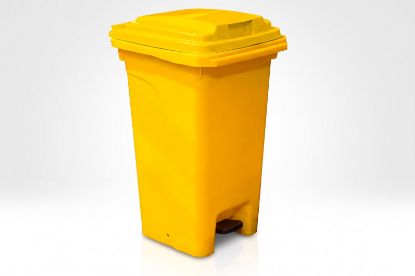
These are compact bins commonly used in offices, schools, childcare centres, and indoor or sheltered areas. They’re also popular as secondary bins for recycling or organics where waste volumes are low. Because of their size, they’re easy to move and store, but they fill up quickly if used for general rubbish.
View 60L bins View 80L bins
120 litres
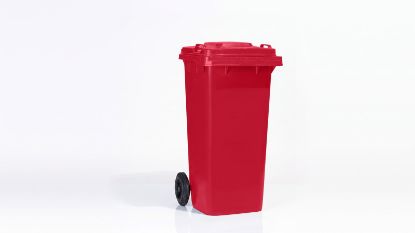
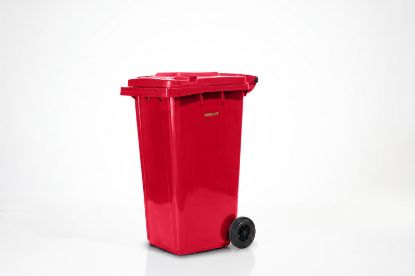
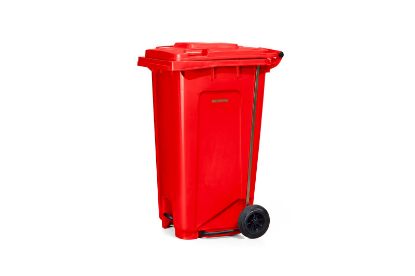
120L wheelie bins
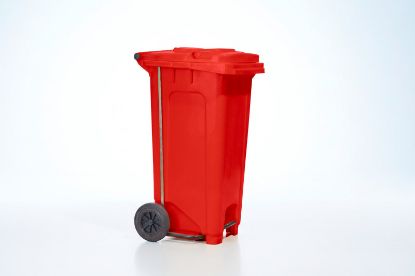
The 120L bin is a versatile size that suits small households, schools, aged care facilities, and businesses producing light waste. Many organisations use 120L bins for recycling or food waste alongside larger general waste bins. They’re easy to handle while offering noticeably more capacity than the smallest options.
View 120L bins
160 litres
160L wheelie bins
A 160L bin is often chosen when a 120L feels just slightly too small. This size works well for small families, shared office spaces, or sites that need a bit more capacity without stepping up to a full council-sized bin.
View 160L bins
Medium
Medium wheelie bins (240L and 360L)
Medium-sized wheelie bins are the most recognisable and widely used across Australia.
Most recognisable
240 litres
240L wheelie bins
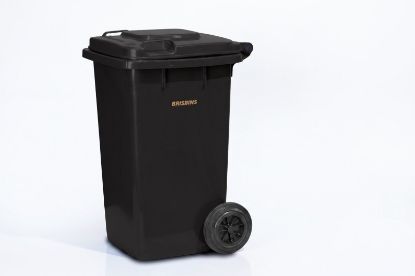
The 240L bin is the standard size used by most Australian councils for household rubbish and recycling. It suits families, small businesses, schools, and community facilities. For many homes, a 240L bin provides the right balance between capacity and ease of use.
View 240L bins
360 litres
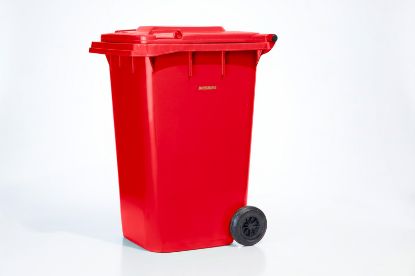
360L wheelie bins
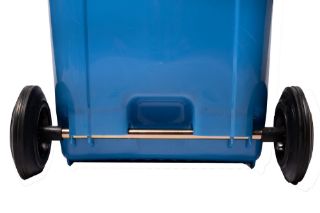
A 360L bin offers extra capacity without moving into large commercial territory. These bins are often used by larger households, schools, sporting facilities, cafes, and small commercial sites where waste volumes are higher. They’re still manageable as a two-wheel bin, which makes them a practical upgrade from 240L when overflow becomes an issue.
View 360L bins
Large
Large wheelie bins (500L, 660L, and 1100L)
Large wheelie bins are designed for higher waste volumes and shared or commercial environments. These bins are usually fitted with four wheels for stability and easier movement.
500 litres
500L wheelie bins
A 500L bin is a good middle ground for businesses that have outgrown smaller bins but don’t yet need a full on 660L or 1100L option. They’re commonly used in hospitality, retail, schools, and small industrial settings.
View 500L bins
Popular commercial size
660 litres
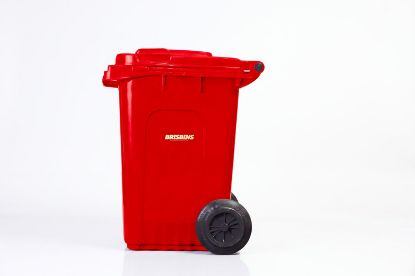
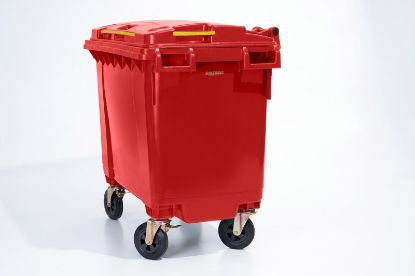
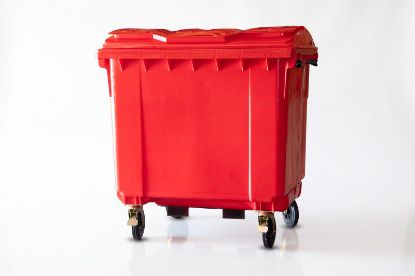
660L wheelie bins
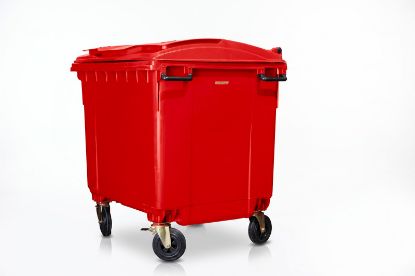
The 660L bin is one of the most popular commercial sizes in Australia. It’s commonly used in apartment complexes, shopping centres, warehouses, aged care facilities, and construction sites. With four wheels and a larger footprint, it handles higher volumes while remaining practical to manoeuvre in bin rooms and loading areas.
View 660L bins
1100 litres
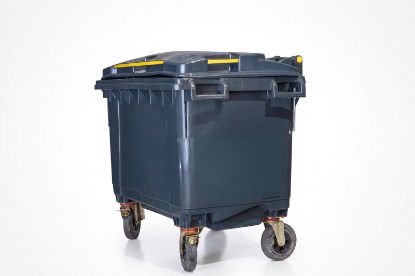
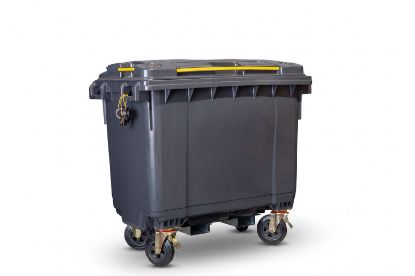
1100L wheelie bins
The 1100L bin is the largest standard wheelie bin size and is designed for high-volume waste. These bins are used in industrial sites, large commercial facilities, shared waste areas, and construction projects. They’re ideal where waste is generated quickly and space allows for a larger bin.
View 1100L bins
Quick comparison
Quick size guide at a glance
| Bin size | Common uses and typical setting |
|---|
| 60L–80L | Offices, classrooms, small recycling or organics streams |
| 120L–160L | Small households, schools, light commercial use |
| 240L | Standard household and general-purpose bin |
| 360L | Larger households, cafes, schools, higher waste volumes |
| 500L | Growing businesses, hospitality, shared waste areas |
| 660L | Apartments, warehouses, aged care, construction |
| 1100L | Industrial, large commercial, high-volume sites |
Before you choose
Choosing the right size for your setup
If you’re unsure which size will work best, think about:
Explore the full range
- 1 How much waste you produce each week
- 2 How often bins are emptied
- 3 Whether the bin will be moved often or stay in one place
- 4 Available space for storage and access
If you’re deciding between two sizes, it’s usually safer to go slightly larger rather than dealing with overflow.