Wheelie Bin Rules and Regulations in Australia (What Actually Matters)

Wheelie bin rules in Australia can feel messy because they’re not identical everywhere. Most of the basics are the same, but the details change depending on your local council, your collection type, and whether you’re dealing with household bins or commercial waste.

Still, there are a handful of rules that come up again and again, and they’re usually the reason a bin gets missed, rejected, or left behind. This guide covers what matters in real life, plus the common mistakes that trip people up.


First, a quick reality check

Councils set the rules for household collections, and they can vary by suburb, street layout, and waste service type. If you’re using private waste collection for a business, you’ll often have more flexibility, but you still need to present bins safely and in a way that works for collection trucks and staff.

So think of this as the general rulebook that stops most problems. If you want the exact rules for your street, always check your local council’s collection page.

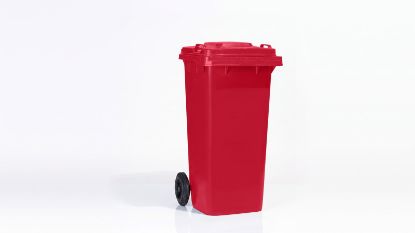
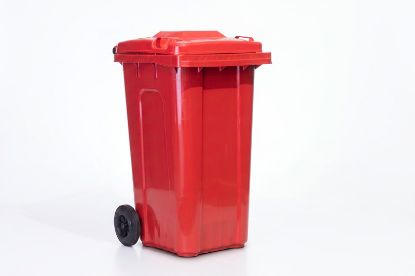
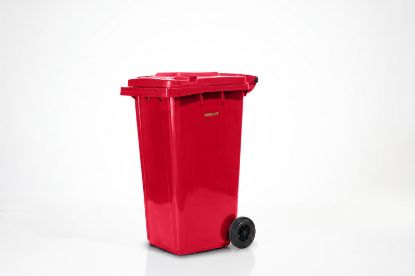
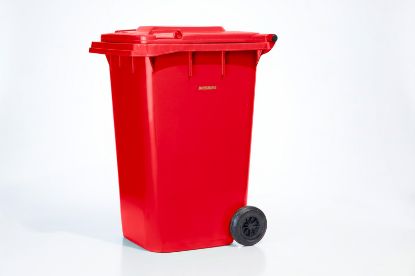
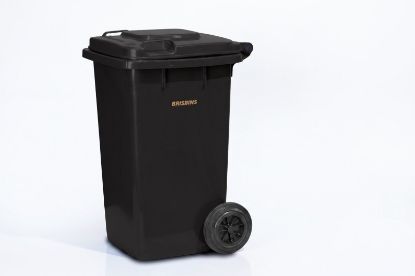
In most parts of Australia, the standard council wheelie bin size is 240 litres. This applies to both general waste and recycling bins for the majority of households.

A 240L bin is what most people picture when they think of a “normal” wheelie bin. It’s large enough for weekly or fortnightly household waste, but still manageable for collection trucks and manual handling.

That said, council bin sizes are not identical everywhere. Some councils offer smaller or larger options depending on household size, property type, or special circumstances.
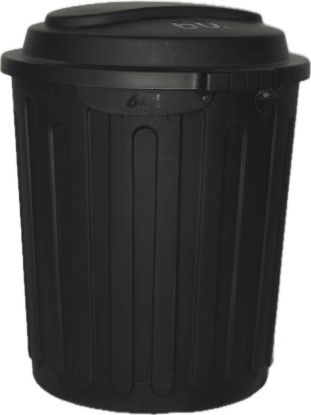
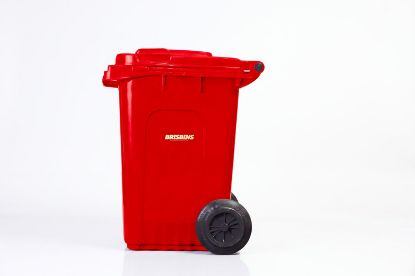
 

Common council wheelie bin sizes you’ll see

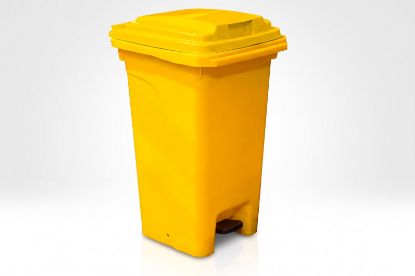
While 240 litres is the most common, councils may also provide:

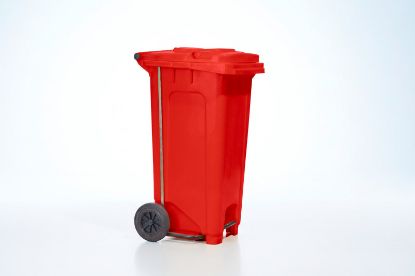
  • 120L bins
    Often offered to smaller households, apartments, or residents who generate less waste.

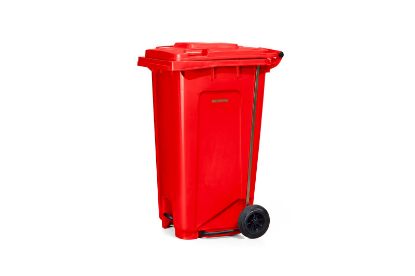
  • 240L bins
    The standard option for most Australian homes.

  • 360L bins
    Available in some areas for larger households or higher waste volumes, usually by request and sometimes at an extra cost.

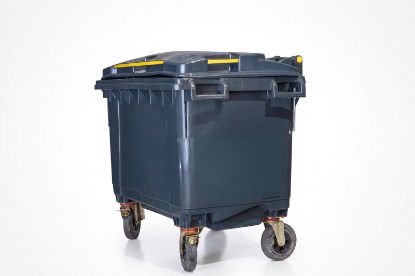
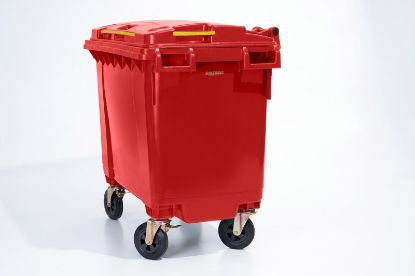
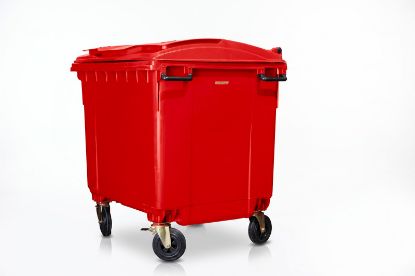
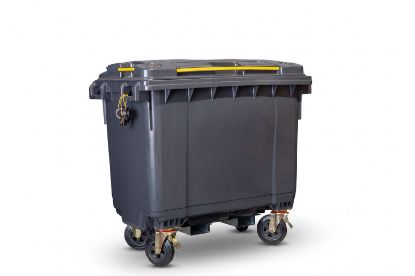
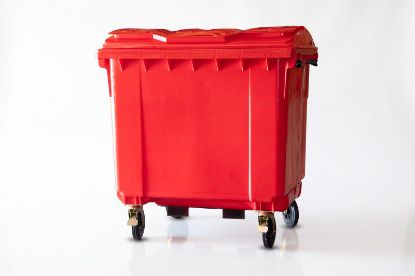
Larger bins such as 660L or 1100L are not typically used for standard council household collection. These sizes are more common in commercial, industrial, apartment, or private waste collection setups.


The most common reasons a bin isn’t collected

When a bin gets skipped, it’s usually for one of these reasons:


1) The lid won’t close properly

If the lid is sitting up, most councils and collection contractors can refuse collection. It can be a safety issue, and it often leads to rubbish spilling during lifting.

Simple fix:
If you’re regularly forcing the lid down, it’s a sign the bin is too small for your weekly volume, or you need a separate bin for another waste stream.


2) The bin is too heavy

Most councils set a maximum weight for safe handling. The number varies, but overweight bins are a common reason for missed collection.

Simple fix:
Avoid putting heavy materials in the bin such as wet sand, bricks, tiles, concrete chunks, and soaked garden waste. If it’s heavy enough that you struggle to move it, it’s probably not suitable for kerbside collection.


3) Wrong items are in the bin (contamination)

This happens most often with recycling. When the wrong items go into recycling, some councils will refuse to collect it, or they’ll collect it and treat it as general waste.

Simple fix:
Keep recycling clean and loose where possible, and avoid “wish-cycling” items you’re not sure about.


4) Placement issues

Even if your bin is fine, it can be missed if the truck can’t access it properly.

Common placement problems include:

  • too close to parked cars

  • tucked behind a pole or tree

  • placed too close to another bin

  • sitting in a driveway where it’s blocked

Simple fix:
Give the bin space, keep it visible, and place it in the spot where the truck can lift it safely.


5) The bin is damaged

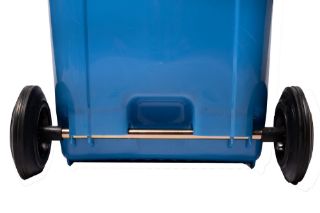
Broken wheels, a cracked body, or a lid that won’t shut can all lead to collection issues. It can also be unsafe for the person collecting it.

Simple fix:
Replace worn parts if possible, or replace the bin if it’s structurally damaged.


6) Timing

Most councils have a time window for when bins must be out. If it’s put out too late, it may be missed.

Simple fix:
Put it out the night before if possible, especially if collection can happen early.


The “always safe” bin placement basics

Even though councils vary, the safest setup is usually:

  • bin on the kerb with easy truck access

  • lid closed and facing the road

  • enough space between bins so the lifter can grab them

  • not blocking footpaths, driveways, or ramps

  • stable position so it won’t fall over in wind

If your street is tight, busy, or has lots of parked cars, placing your bin in the clearest spot makes a real difference.


Household rules vs commercial setups

Household bins

Household services are usually stricter because they’re built around standardised routes and quicker collections. If your bin doesn’t meet the rules, it might get left behind.

Commercial and private collection

Commercial setups tend to focus more on:

  • safe access for collection vehicles

  • enough room to move bins in and out

  • bin room organisation

  • preventing overflow and contamination

If you manage a shared waste area, the easiest way to reduce issues is to make the system clear and consistent, with the right sizes and the right number of bins.


Quick tips to avoid missed collections

If you want the short version:

  • keep the lid shut properly

  • avoid heavy waste in household bins

  • keep recycling clean and correct

  • place bins where trucks can access them

  • don’t overfill or jam waste in

  • fix broken wheels and lids early

These small habits prevent most collection problems, especially in summer when bins are heavier and smellier.