- Home
- About
-
Bins
Wheelie binsPedal & flip-top
- Components

Wheelie Bin Odour Control and Pest Prevention (Flies, Maggots, Rodents)
Wheelie Bin Odour Control and Pest Prevention (Flies, Maggots, Rodents)
If you’ve ever opened a bin in summer and nearly passed out from the smell, you already know how quickly wheelie bins can turn nasty in Australia. Heat, moisture, and food waste are the perfect combo for bad odours, flies, and maggots.
The aim here isn’t perfection. It’s stopping bins from becoming a problem, so you’re not constantly dealing with smells, mess, and pests around the house, the workplace, or a shared bin area.
This guide covers what actually works, using simple habits you can stick with.
Why wheelie bins smell
Most bin smells come down to three things:
Once bacteria gets going, the smell builds fast. The same goes for flies. If they can access waste, they’ll lay eggs. Maggots show up a day or two later, especially when it’s warm.
The easiest way to stop bin smells
You don’t need fancy products. You need fewer “bin-friendly” conditions.
1) Keep the bin dry where you can
Moisture speeds up smells and attracts pests.
Simple ways to reduce moisture:
- drain wet scraps before they go in
- don’t tip liquids into the bin
- keep the lid shut so rain doesn’t get in
- rinse out leaky containers before disposal
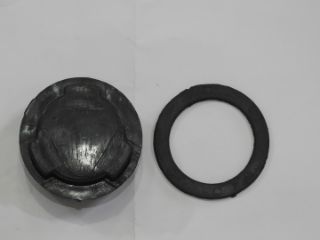
If your bin has a drain plug, make sure it’s in place and sealing properly, otherwise odours can linger and liquid can leak.
2) Keep food waste wrapped
Loose food waste is one of the biggest causes of smell and flies.
Try:
- wrapping scraps in paper towel or newspaper
- using compostable liners if suitable for your setup
- tying off small bags so food waste is contained
For really smelly items like fish, meat scraps, or prawn shells, a simple trick is freezing them in a small bag until bin night.
3) Clean the lid and rim more often than the whole bin
Most of the stink sits up top where the lid seals and where waste touches as it goes in.
A quick wipe or rinse around the lid rim once a week can keep smells down without doing a full clean.
How to prevent maggots
Maggots are usually a sign that flies have had access to food waste, even briefly. The goal is to block the fly cycle.
The prevention checklist
- keep the lid fully shut and sitting flat
- don’t overfill the bin so the lid stays open
- keep food waste wrapped and contained
- rinse spills quickly, especially dairy and meat drips
- keep the bin in shade if possible, heat speeds everything up
If you’re using organics or food waste bins, this matters even more. Those bins need a more frequent clean and a tighter routine.
What to do if you already have maggots
It’s gross, but it’s fixable.
A simple method that works
- Tip out any loose waste if safe to do so
- Pour hot water into the bin and leave it for a few minutes
- Use fly spray if necessary
- Scrub the base and corners
- Rinse thoroughly
- Leave the bin open to dry in the sun
After that, focus on prevention. If you clean it and then keep putting loose food waste back in, they’ll return.
Rodents and larger pests
Rats and possums are less common than flies, but they do happen, especially around food businesses or where bins are left open.
What attracts them
- easy access to food waste
- bins that don’t close properly
- rubbish bags left beside the bin
- constant overflow
How to reduce the risk
- keep lids shut properly
- avoid leaving loose rubbish beside bins
- don’t store bins right against walls or fences if pests are active
- keep bin areas tidy, especially in shared or commercial spaces
If a lid is warped or damaged and won’t seal, replacing the lid or the bin often solves the issue straight away.
Practical tips for shared bin areas and businesses
Shared areas have one extra challenge: not everyone uses bins properly.
To keep things under control:
- label bins clearly so waste goes in the right place
- make sure there’s enough bin capacity so people don’t overfill
- set a simple cleaning schedule
- keep lids and wheels maintained so bins close and move properly
For busy sites, going up a size can make a big difference. Overflow is one of the fastest ways to create smells and pests, because waste ends up outside the bin and gets exposed.
Quick odour control options that are actually worth it
If you want a quick improvement, these are the simplest:
- hose rinse after collection
- sprinkle a small amount of bicarbonate soda in the base after drying
- keep a little dry cardboard in the bottom to absorb moisture
- keep the bin in shade where possible
You don’t need to mask smells. You want to prevent the conditions that cause them.