A simple maintenance routine that actually works
You don’t need a full checklist every week. Just do quick checks when something feels off.
30 seconds
Weekly quick check (30 seconds)
- lid closes flat
- wheels roll freely
- no cracks around handles or base
- bin isn’t leaking from the bottom
2 minutes
Monthly check (2 minutes)
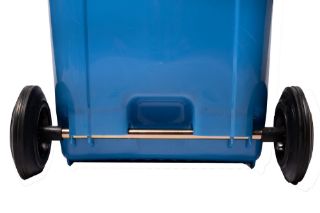
- look for stress cracks near the axle points
- check the lid hinge points and pins
- check wheels for flat spots or wobble
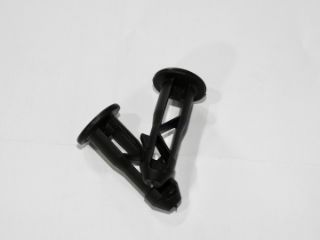
- check for missing plugs or fasteners if your bin has them
If the bin is used in a business, shared bin room, or site, do these checks more often. Higher use means faster wear.
Common wheelie bin repairs
1
1) Wheel replacement or wheel issues
Signs your wheels need attention
- bin is hard to roll
- wheels wobble side to side
- one wheel drags or doesn’t spin freely
- wheels look cracked or worn flat
What usually causes it
- rough surfaces and gravel
- heavy loads that exceed what the wheels can handle
- dragging the bin sideways instead of rolling it
- general wear over time
Best approachIf it’s just worn wheels, replacement is usually worth it, especially on larger bins. If the axle points are cracked or the wheel mounts are damaged, that’s where replacement of the bin can make more sense.
2
2) Lid issues (broken, warped, not sealing)
The lid matters more than people think. If it won’t close properly, you’ll get:
- smells
- flies and maggots
- rainwater getting in
- collection problems in some areas
Common lid problems
- warped lid that doesn’t sit flat
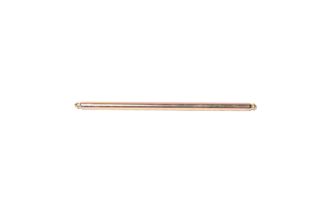
- broken hinge points
- cracked lid corners
- lid missing or not locking in place
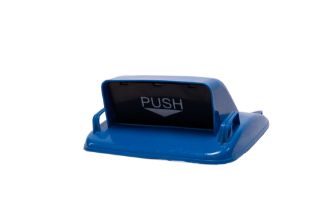
Best approachIf the bin body is still solid, replacing the lid is often the easiest fix. If the rim of the bin is damaged and the lid can’t seal, you’re usually better off replacing the whole bin.
3
3) Axle and handle wear
Axles can loosen or bend if the bin gets overloaded, dragged, or dropped heavily. Handles can crack if people yank the bin around when it’s full.
Signs
- wheels don’t sit straight
- bin feels unstable when rolled
- the bin “twists” when moved
- cracks near the axle housing or handle points
Best approachIf the axle is bent or the body is cracking around the axle area, it’s often a replacement job. That section takes a lot of load, and once it’s weakened, it keeps failing.
4
4) Cracks in the body
Small cracks can happen from impacts, UV exposure over years, or heavy use.
Where cracks usually appear
- around the axle points
- at the base corners
- near the handles
- around the rim where the lid seals
When a crack is manageable
- small surface cracks that aren’t spreading
- cracks that don’t affect wheel mounts or lid sealing
When a crack means replacement
- any crack that affects the lid seal
- cracks around the axle points
- cracks that are spreading or letting liquid leak
If a bin leaks, it will smell worse and attract pests faster, so it’s worth sorting early.
Tips to make bins last longer
These are simple habits that prevent most damage:
- don’t overfill to the point the lid won’t close
- avoid heavy waste like wet sand, rubble, and broken tiles in household bins
- roll the bin, don’t drag it sideways
- keep the bin in shade where possible, UV wears plastic over time
- rinse spills before they harden and stink
- fix wheels and lids early so the bin stays usable
Bins in commercial sites wear faster because they’re used more and moved more often. That’s normal. The key is staying ahead of the basic failures.
Repair or replace?
A quick rule that works in practice:
Repair is usually worth it when:
- the bin body is solid
- the issue is wheels, lid, or small fittings
- the bin still seals properly and rolls correctly after repair
Replacement is usually better when:
- the bin body is cracked at load points
- the axle mounts are damaged
- the rim is warped and the lid won’t seal
- the bin is leaking and smells won’t go away
If you’re seeing repeated failures, it’s often a sign the bin is under-sized for the way it’s being used. In that case, upgrading to the next size can reduce damage and make the setup easier to manage.