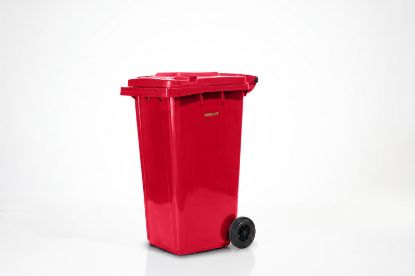
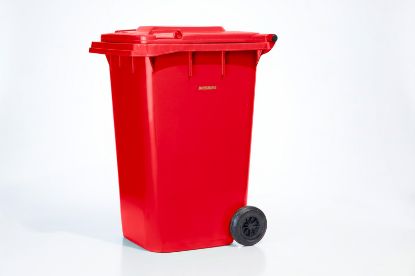
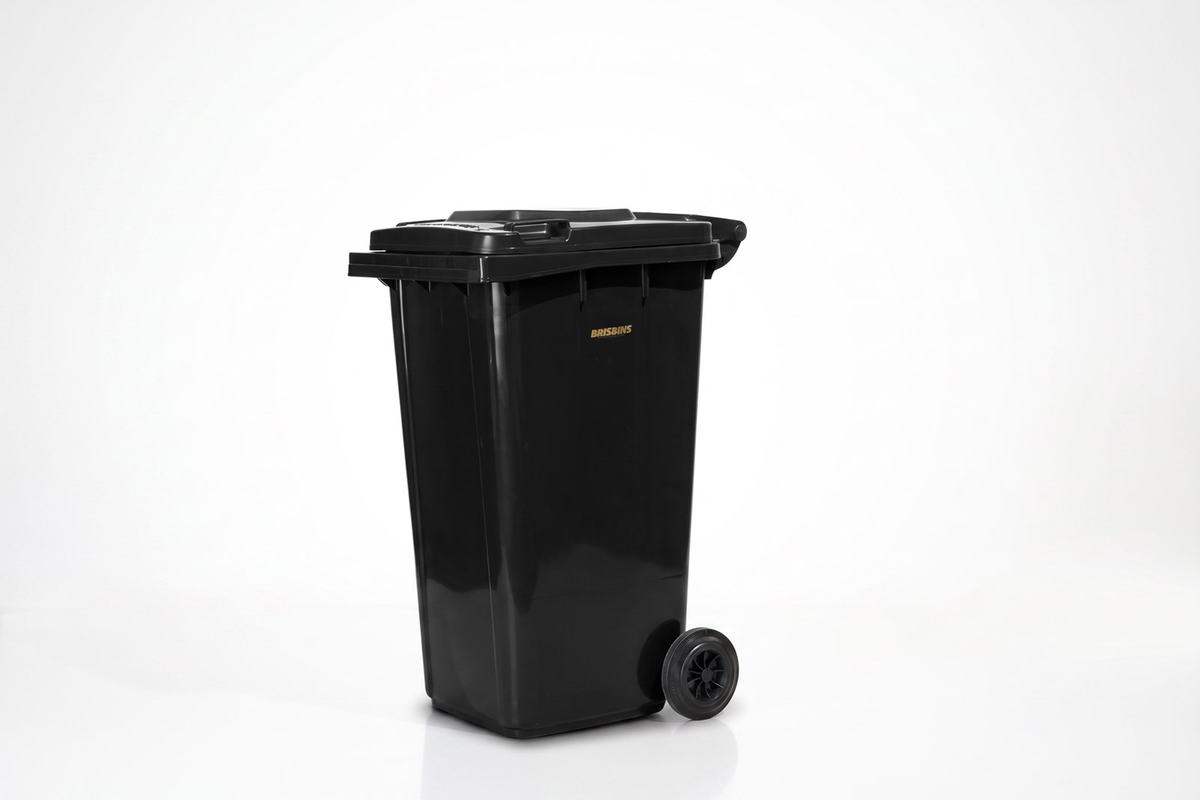
Step 1: Empty the bin completely
The best time to clean a bin is straight after collection, when it’s already empty.
Tip it upside down briefly to shake out loose debris.

Cleaning a wheelie bin isn’t high on anyone’s to-do list, but leaving it too long usually ends the same way. Strong smells, flies, maggots, and a bin you don’t want anywhere near the house or workplace.
The good news is you don’t need special gear or harsh chemicals to clean a wheelie bin properly. A simple routine, done occasionally, keeps things under control and makes bins much easier to live with, especially through warmer months.
This guide walks through a straightforward, realistic way Australians clean wheelie bins at home and on commercial sites.
There’s no single rule, but these timeframes work for most setups:
If your bin smells bad when the lid is closed, it’s probably overdue.
You don’t need much. Keep it simple:
The best time to clean a bin is straight after collection, when it’s already empty.
Tip it upside down briefly to shake out loose debris.
Use the hose to rinse the inside, starting at the lid and working your way down. Focus on the rim and lid edges, as this is where grime and smells build up.
Add a small amount of detergent to the inside of the bin. Use your brush to scrub:
You don’t need to scrub every square centimetre. Target the areas where waste sticks.
Rinse until the water runs clear. Any leftover detergent can attract dirt and make the bin smell again faster.
If the bin has had food waste, maggots, or strong odours, a light disinfectant rinse can help. Follow the product instructions and don’t overdo it.
Leave the bin open in the sun if possible. Dry bins smell less and are less attractive to flies.
Maggots are fly larvae and they appear in a wheelie bin when flies can access food waste. They’re unpleasant, but easy to deal with. If you need to know how to kill the maggots in your wheelie bin and how to stop more from appearing this should help.
If you already have maggots:
When possible avoid harsh chemicals that can damage the plastic or create runoff issues.
The key is prevention. Stopping maggots comes down to keeping your wheelie bins clean, dry, and properly closed.
A few small changes make a big difference:
These habits reduce smells and slow down buildup between cleans.
In commercial settings, bins get dirtier faster because:
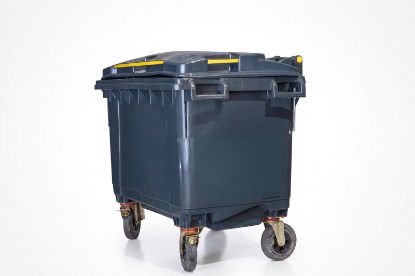
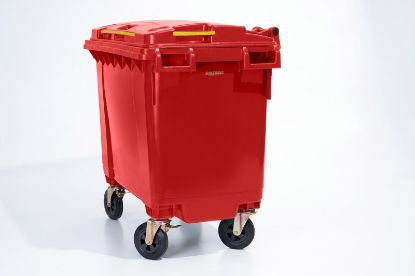
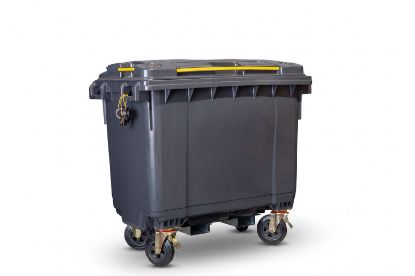
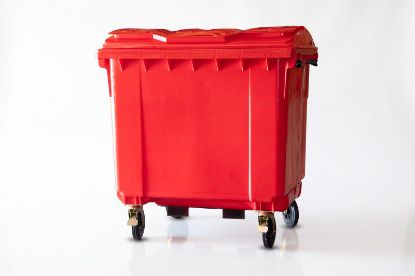
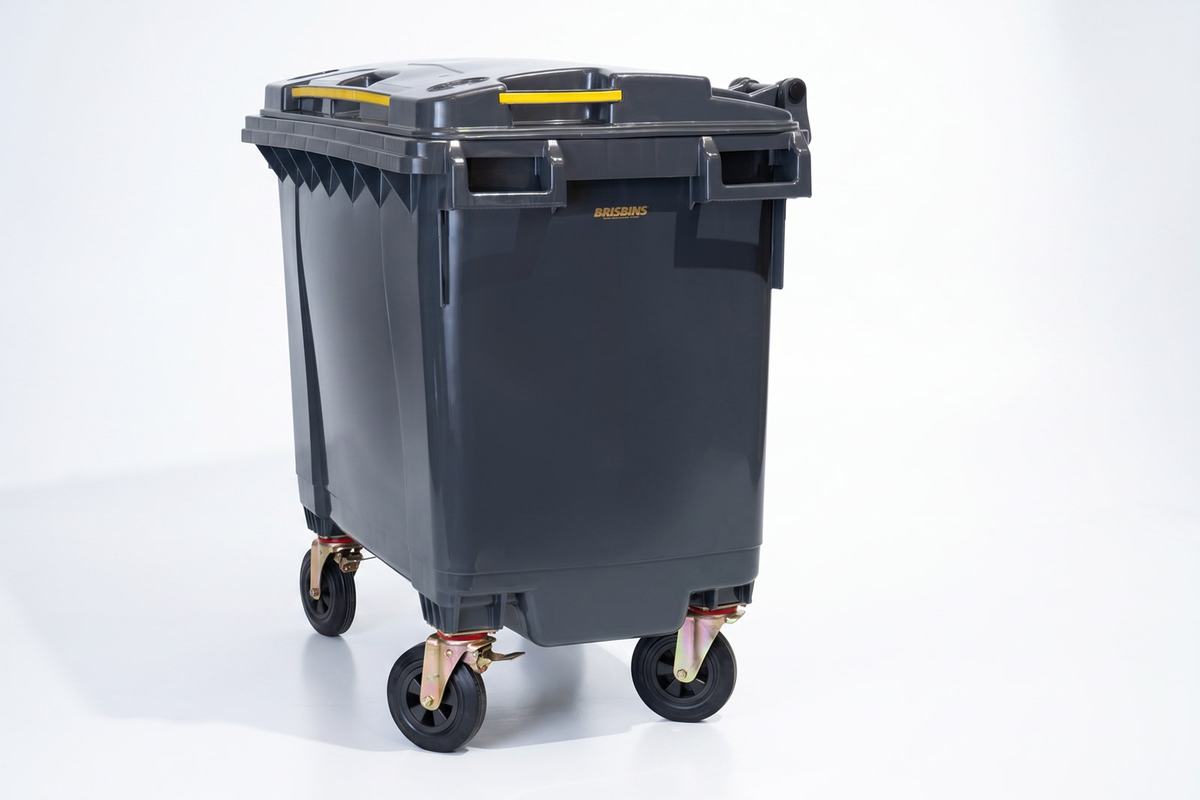
Larger bins should be checked for cracks, damaged lids, or worn wheels during cleaning. Fixing small issues early avoids bigger problems later.
If a bin still smells after cleaning, or it’s cracked, warped, or won’t close properly, it may be time to repair or replace it. Damaged bins are harder to keep clean and more likely to cause collection issues.
If you’re dealing with constant odours or pests, check out another section of the guide that looks at wheelie bin odour control and pest prevention, which goes deeper into stopping problems before they start.