01
Step 1: Work out your waste streams first
Start by listing what you’re putting in the bin. Most Australian setups fall into a few common streams:
- General waste: anything that can’t be recycled or composted
- Recycling: usually packaging, paper and cardboard, cans, bottles
- Green waste or FOGO: garden clippings and in some areas food waste too
- Special waste: things like batteries, paint, e-waste and chemicals (these should not go in a wheelie bin)
If you’re running a business or site, your waste streams might be more specific. A café is mostly food waste and packaging. A warehouse is mostly cardboard and wrap. A construction site is often bulky mixed waste. Sorting this out first helps you avoid buying one big bin to do everything, then ending up with contamination issues or constant smells.
02
Step 2: Think in “per week”, not per day
A common mistake is choosing a bin based on one busy day, or one quiet week. The easiest way to pick the right size is to think about how much waste builds up between collections.
Ask yourself:
- Do you get collection weekly, fortnightly, or on-demand?
- Does your waste spike at certain times, like weekends, school terms, or seasonal trade?
- Do you have room for an extra bin if needed?
If your waste only gets collected fortnightly, you usually need to size up. If you get frequent collection, you can often stay smaller.
03
Step 3: Use a simple volume check
You don’t need to overthink this. A quick, realistic check is:
- How many standard household rubbish bags fill up in a week?
- Are you regularly squashing things down or leaving bags beside the bin?
- Is the lid sitting flat, or does it sit up because the bin is too full?
If your bin is packed so tight the lid won’t close properly, that’s usually a sign you need either:
- a bigger bin, or
- a separate bin for recycling or organics so general waste stays manageable
04
Step 4: Match your situation to a sensible bin size
Below is a practical guide that works for most Australian homes and businesses. It won’t replace your council rules, but it’s a reliable starting point when you’re choosing a bin to buy.
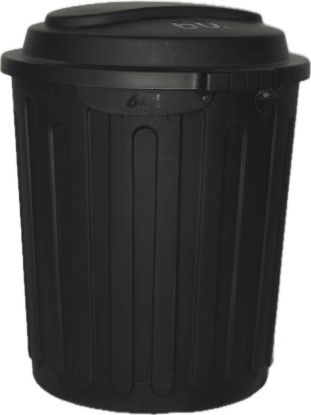
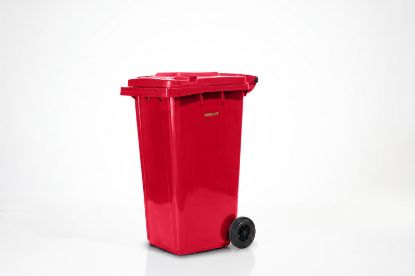
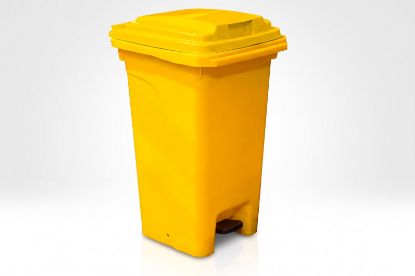
Small households, small businesses, tight spaces
Best for low waste volume, secondary streams, smaller facilities, or where storage space is limited.
A lot of businesses use smaller bins as extra recycling bins in staff areas or near workstations, then move the contents into a larger commercial bin out the back.
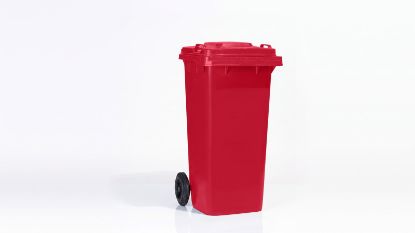
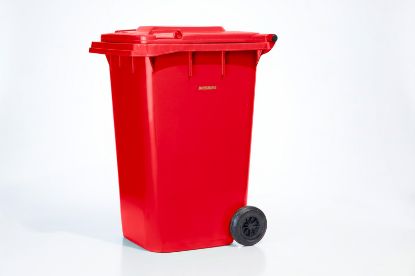
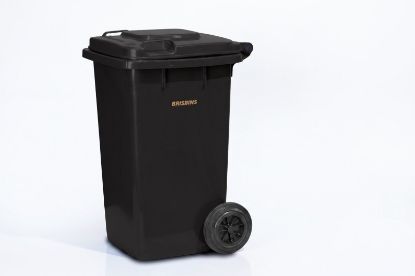
Typical household use and general-purpose setups
This is the “standard” size most people think of. It suits the majority of households and works well for general rubbish or recycling, depending on your setup.
If you’re consistently filling a 240L bin and the lid is hard to close, that usually means it’s time to step up or add a second bin for another waste stream.
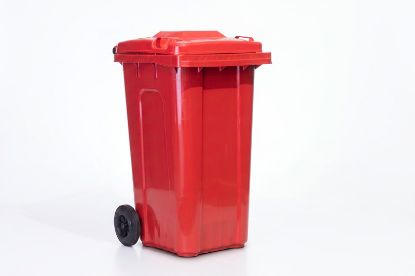
Larger households, shared facilities, busier premises
A strong option if you’re just a bit over the limit with 240L. This is common for larger families, schools, and businesses producing steady waste volume.
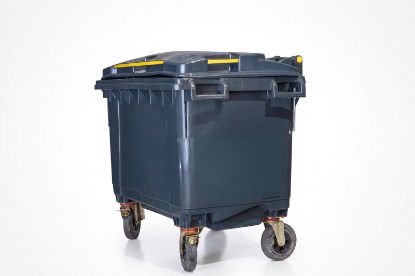
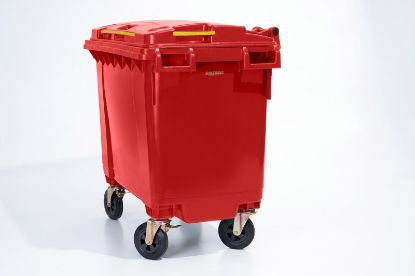
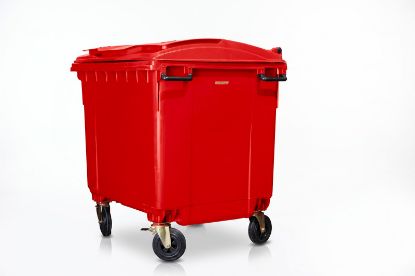
Commercial and high-volume waste
These are best when you have:
- multiple people using one bin
- higher daily waste generation
- a shared bin room or loading dock
- bulky packaging or mixed waste
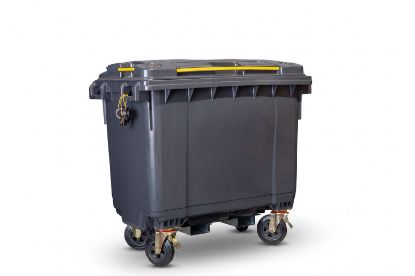
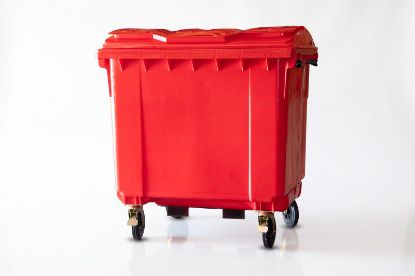
If you’re in an apartment building, warehouse, shopping centre, or busy hospitality site, 660L and 1100L bins are often the sizes that stop the constant overflow problem.
05
Step 5: Check access and handling before you decide
This is the step people skip, then regret later.
Before buying, check:
- how the bin gets from storage to collection point
- whether it needs to pass through a narrow gate, hallway, or bin room door
- whether the surface is flat or sloped
- whether staff will be moving it daily
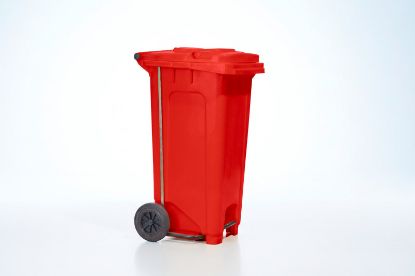
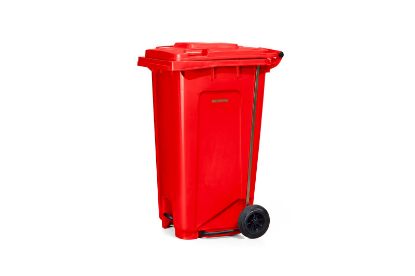
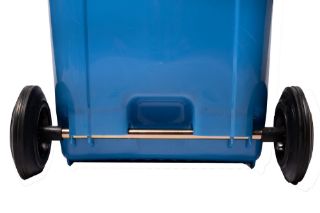
Two-wheel bins are usually simpler for tight access. Four-wheel bins are great for volume, but they need enough room to manoeuvre.
06
Step 6: If you’re choosing between two sizes, use these rules
When you’re stuck between two sizes, these are safe calls:
- 240L vs 360L
If the 240L lid often won’t close, go 360L.
- 360L vs 500L
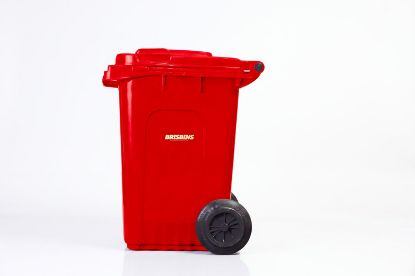
360L is typically the largest standard council size for households, it is also the largest two wheel option. If you have multiple users or steady daily waste, 500L usually makes life easier.
- 500L vs 660L
If you’re dealing with bulky packaging or shared use, 660L is often the better long-term choice.
- 660L vs 1100L
If you have the space and the waste volume is high, 1100L reduces overflow and collections. If access is tight or you just don't need the biggest option, 660L is often a safe pick.
A quick reminder about council collection
If you’re buying a bin to replace or supplement a council bin, your local council may have rules around what they will service and how bins must be presented. If you’re using private collection or managing waste on a commercial site, you usually have more flexibility.
Either way, it's worth doing some research and what size your council wheelie bins are. Picking the right size upfront saves a lot of hassle later.