Buying Wheelie Bins from Brisbins (Australia)
If you’re looking to buy a wheelie bin in Australia, there are a few different ways people usually end up here. Sometimes it’s because a council bin is damaged. Other times it’s because the existing bin just isn’t big enough anymore, or there’s a need for an extra bin for recycling, organics, or a business setup.
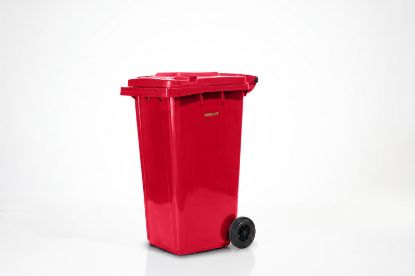
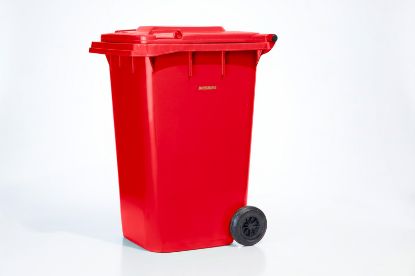
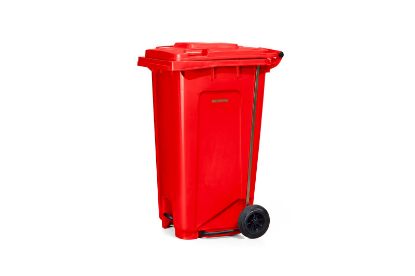
Brisbins supplies wheelie bins directly, which means you’re not limited to standard council options. You can choose the size, style, and colour that actually suits how the bin will be used.
Buying a wheelie bin instead of relying on council supply
Most councils only provide one set of bins per household, and replacement or upgrades can take time. If you need an extra bin, a replacement, or a different size, buying a wheelie bin privately is often the best option.
This is common for:
- households that need an extra bin for recycling or food waste
- properties where the original bin is damaged or missing
- businesses that aren’t covered by council collection
- shared sites where standard council bins aren’t practical
Buying your own bin gives you more flexibility, especially if waste volumes have changed over time.
Getting a larger wheelie bin
A lot of people ask whether it’s possible to get a larger wheelie bin when the current one keeps overflowing.
If you’re talking about council collection, councils usually require you to use their supplied bins, and upgrades have to be approved through them. That process varies depending on where you live.
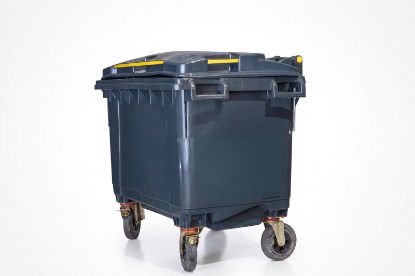
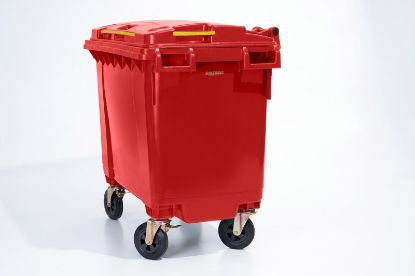
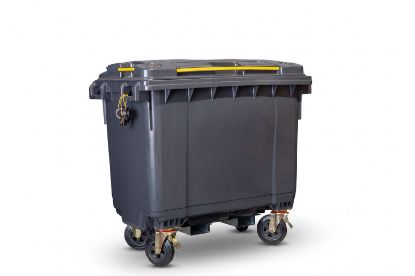
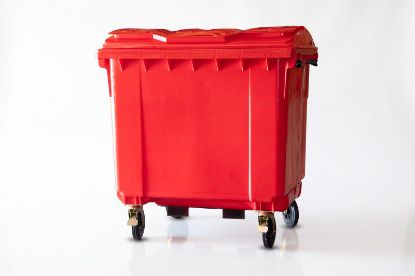
If you’re talking about private use, commercial sites, or shared waste areas, larger bins are easy to source. Many businesses, strata managers, and even larger households choose bigger bins privately when smaller bins no longer cope with the volume of waste being produced.
Moving up a size is often the simplest way to reduce overflow, loose rubbish, and ongoing smell issues.
Ordering a new wheelie bin
If you’re wondering how to order a new wheelie bin, the process with Brisbins is straightforward. You choose the size that fits your needs, place the order, and the bin is supplied ready for use.
People commonly order new bins when:
- an old bin has cracked or broken
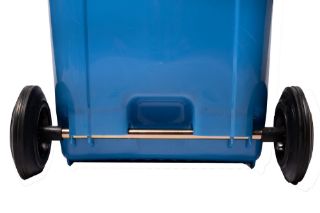
- wheels or lids keep failing
- a site is being set up from scratch
- waste volumes have increased and the old size no longer works
If you’re unsure which size to choose, getting advice before ordering can save a lot of trial and error later.
Choosing colour instead of painting a bin
Painting wheelie bins comes up surprisingly often, especially when people want to colour-code bins or make them easier to identify. While it’s possible to paint a bin, paint tends to wear, peel, and make bins harder to clean over time.
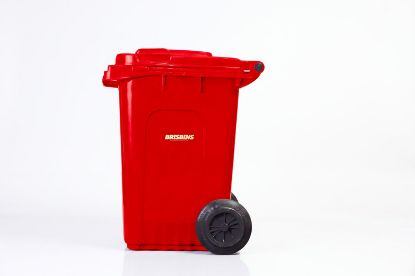
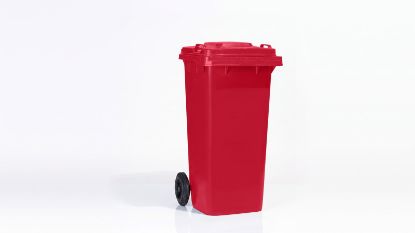
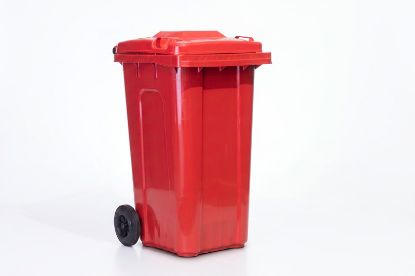
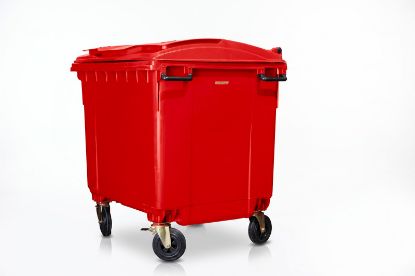
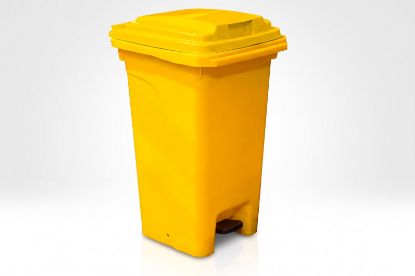
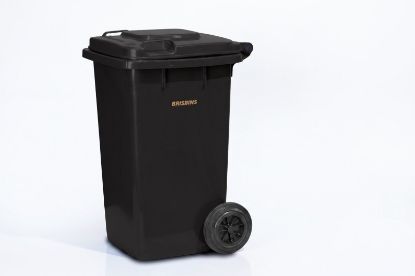
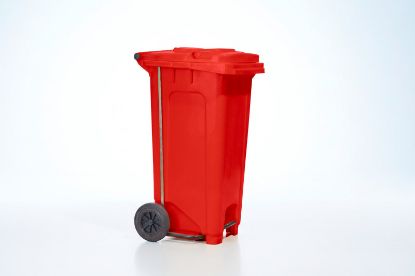
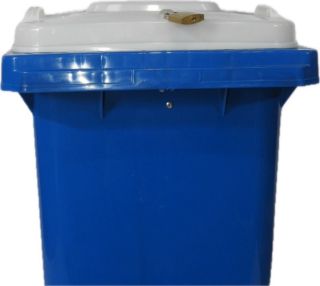
A simpler option is choosing the right colour from the start. Brisbins offers wheelie bins in a range of colours, which makes it easier to separate waste streams or match site requirements without having to paint anything yourself.
Colour-coded bins are also easier to manage in shared areas, because people can see straight away which bin is meant for what.
Where to buy wheelie bins in Australia
When deciding where to buy wheelie bins, it’s worth choosing a supplier that can offer more than just one standard option. Being able to choose the right size, get the right colour, and replace parts later makes a big difference over the life of the bin.
Whether you’re replacing a damaged bin, adding an extra one, or setting up a larger waste area, buying directly from a supplier like Brisbins gives you control over the setup instead of trying to make a one-size-fits-all option work.
If you’re not sure what will suit your situation, it’s always easier to sort that out before ordering than to deal with the wrong bin later.